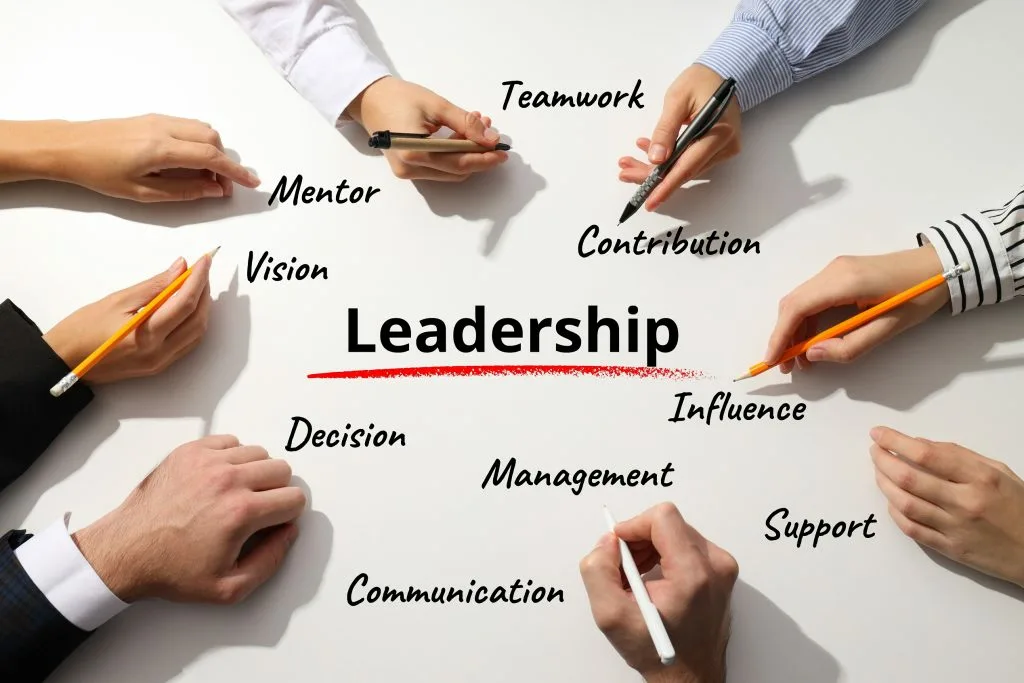
Leadership extends beyond positional authority to encompass influence, inspiration, and enabling others to achieve collective goals. Effective leaders combine strategic thinking with interpersonal skills, technical competence with emotional intelligence, and vision with practical execution capabilities. The transition from individual contributor to manager requires fundamental mindset shifts from personal productivity to team enablement and from tactical focus to strategic perspective. Leadership development represents ongoing journey rather than destination, with even experienced leaders continuously refining approaches as contexts change and self-awareness deepens. Organizations increasingly recognize leadership cultivation as strategic priority directly impacting culture, performance, retention, and innovation capacity.
Core Leadership Competencies
Communication clarity ensures everyone understands expectations, priorities, and rationale behind decisions while creating psychological safety for questions and feedback. Active listening demonstrates respect and gathers crucial information that one-way communication misses, with understanding others’ perspectives essential for effective leadership. Delegation empowers team members while developing their capabilities, though requires resisting the temptation to personally handle everything despite potentially faster individual execution. Decision-making balances analysis with action, gathering sufficient information without succumbing to paralysis while clearly communicating decisions and underlying reasoning. Conflict resolution addresses disagreements constructively before they escalate, recognizing that some tension drives improvement while unmanaged conflict destroys teams. Performance management includes both recognizing achievements and addressing underperformance with specific feedback and development support rather than vague criticism or avoidance. Emotional intelligence encompasses self-awareness, self-regulation, empathy, and relationship management, enabling leaders to navigate complex interpersonal dynamics and organizational politics effectively. Strategic thinking connects daily activities to long-term objectives, anticipating future challenges and opportunities rather than purely reacting to immediate demands.
Building and Maintaining High-Performing Teams
Team formation requires careful member selection balancing complementary skills, diverse perspectives, and cultural fit with existing members and organizational values. Clear goal-setting aligns individual efforts toward shared objectives with measurable outcomes and appropriate timelines establishing accountability. Role clarity prevents confusion and gaps by explicitly defining responsibilities, decision rights, and interdependencies among team members. Trust building occurs through consistent reliable behavior, vulnerability in admitting mistakes, and following through on commitments over extended periods. Psychological safety encourages risk-taking and candor by responding constructively to failures and disagreements rather than punishing honest mistakes or dissenting views. Recognition and reward systems acknowledge both individual contributions and collaborative achievements, aligning incentives with desired behaviors and outcomes. Development opportunities from training to stretch assignments demonstrate investment in people while building organizational capabilities for future challenges. Regular feedback both formal through reviews and informal through ongoing conversations enables continuous improvement and course correction. Team culture evolves from leader modeling and rewarding desired behaviors, with explicit values and norms guiding interactions and decision-making when leaders aren’t present.
Leadership Styles and Situational Adaptation
Transformational leadership inspires through compelling vision and personal charisma, engaging hearts and minds to achieve extraordinary results though risks becoming too dependent on single leader. Servant leadership prioritizes team member growth and wellbeing, creating loyal committed followers though may struggle with difficult personnel decisions or competitive situations requiring edge. Democratic leadership involves teams in decisions building buy-in and leveraging collective intelligence, though can slow decision-making and frustrate in crisis requiring quick action. Autocratic leadership provides clear direction and rapid decisions useful in emergencies or with inexperienced teams, though stifles initiative and engagement when overused. Coaching leadership develops individual capabilities through questioning and guidance rather than direct instruction, effective for motivated learners but time-intensive. Situational leadership adapts approaches based on team member experience and task complexity, requiring leader flexibility and accurate assessment of situations. Authentic leadership emphasizes genuine self-expression and values alignment building trust, though requires substantial self-awareness and courage to maintain under pressure. No single style proves universally superior, with effective leaders flexibly deploying different approaches as circumstances require while remaining true to core values and leveraging natural strengths rather than forcing unnatural personas creating perceived inauthenticity.