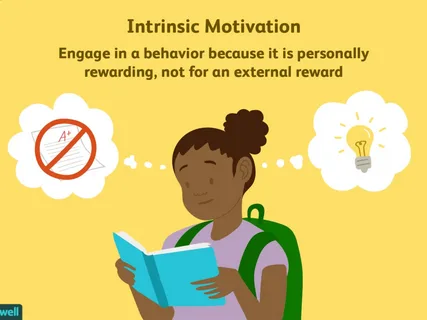
Student motivation powerfully influences learning outcomes, persistence through challenges, and long-term educational engagement. Intrinsic motivation arising from genuine interest and mastery desire produces deeper learning and greater resilience than extrinsic motivation dependent on rewards or punishment avoidance. Yet schools often inadvertently undermine intrinsic motivation through excessive focus on grades, standardized tests, and external incentives. Understanding motivation psychology helps educators and parents create environments nurturing natural curiosity while providing appropriate structure and support. Motivation is not fixed trait but state influenced by task design, feedback quality, autonomy, competence experiences, and social connections. Cultivating motivation requires attending to these factors rather than simply demanding greater effort or offering bigger rewards.
Self-Determination Theory and Basic Psychological Needs
Autonomy support provides meaningful choices about learning activities, methods, or timing within appropriate boundaries, increasing ownership and engagement compared to controlling environments dictating every detail. Competence experiences through appropriately challenging tasks where success requires effort but remains achievable build self-efficacy and motivation to tackle increasingly difficult work. Relatedness or connection to teachers and peers creates sense of belonging and purpose, with students more motivated when feeling valued community members than isolated individuals. Intrinsic goal framing emphasizes learning, growth, and mastery rather than performance relative to others or external validation, fostering deeper engagement with content. Interest development occurs through exposure to engaging materials, connecting content to student experiences, and allowing exploration within domains. However, not all learning can or should be intrinsically motivated, with some foundational skills requiring practice despite limited immediate appeal, balanced through varied instructional approaches maintaining overall engagement.
Feedback and Mindset Development
Growth mindset messages emphasizing that abilities develop through effort rather than remaining fixed increase persistence and resilience when facing difficulties, while fixed mindset beliefs lead to helplessness after setbacks. Process praise recognizing effort, strategy use, and improvement proves more motivating than person praise focused on intelligence or talent, which can create performance anxiety and avoidance of challenges. Specific actionable feedback guides improvement more effectively than vague praise or criticism, with students needing clear understanding of current performance, goals, and concrete steps forward. Mistakes reframed as learning opportunities rather than failures reduce anxiety and encourage risk-taking essential for growth, particularly in mathematics and science where wrong answers provide diagnostic information. Self-assessment and reflection help students develop metacognitive awareness and ownership over learning rather than depending entirely on teacher evaluation. Attribution training helps students recognize connections between effort and outcomes, combating learned helplessness where students believe results are beyond their control. However, mindset interventions alone prove insufficient without addressing real barriers from resource inequities to ineffective instruction that mindset framing alone cannot overcome.
Classroom Environment and Instructional Design
Relevance established by connecting content to student lives, current events, or future goals answers the perpetual question of why learning matters beyond test performance. Collaborative learning structures create positive interdependence where student success depends on group success, increasing motivation through social connection and shared purpose. Project-based learning applies knowledge to authentic problems generating tangible products, providing purpose and autonomy often missing from traditional assignments. Inquiry-based approaches position students as active investigators rather than passive recipients, with questions driving exploration and discovery. Gamification elements from progress tracking to achievement badges to leaderboards can increase engagement when thoughtfully implemented though risk emphasizing extrinsic over intrinsic motivation. Technology integration enables personalization, immediate feedback, and access to vast resources, though requires purposeful design avoiding distraction or replacing human interaction essential for motivation. Culturally responsive teaching validates diverse backgrounds and experiences, with students more motivated when curriculum reflects their identities and communities. Ultimately, sustainable motivation emerges from environments balancing challenge and support, autonomy and structure, individual and collective success, creating conditions where learning feels meaningful, achievable, and connected to something larger than grades or test scores.